
 Essential Question
How do historians turn curiosity into a defensible interpretation of the past?
▥▥▥▥
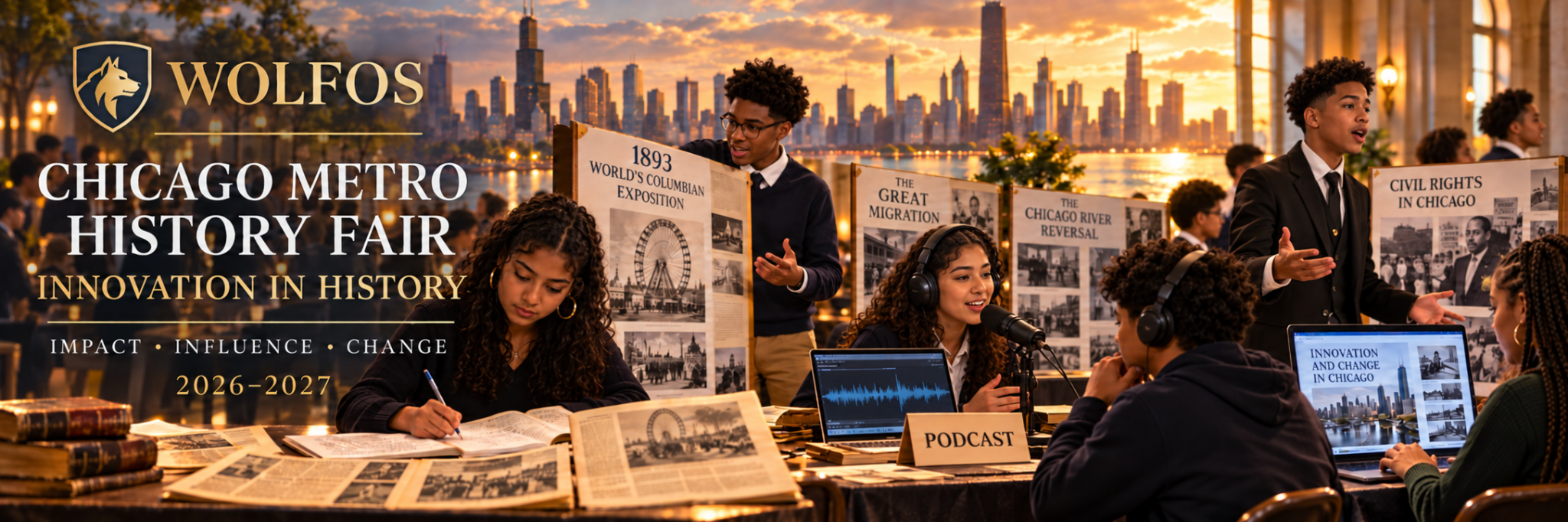
Investigate Chicago and the region’s history, build a thesis, create a project, and share your findings at the Chicago Metro History Fair.


 Essential Question
 Unit Overview
In this unit, you will investigate a meaningful historical topic, develop a historical question and defensible interpretation, conduct research using primary and secondary sources, and create an original project for an authentic audience.




 At a Glance
In this unit you will...
Explore the six formats in the separate Project Types library.
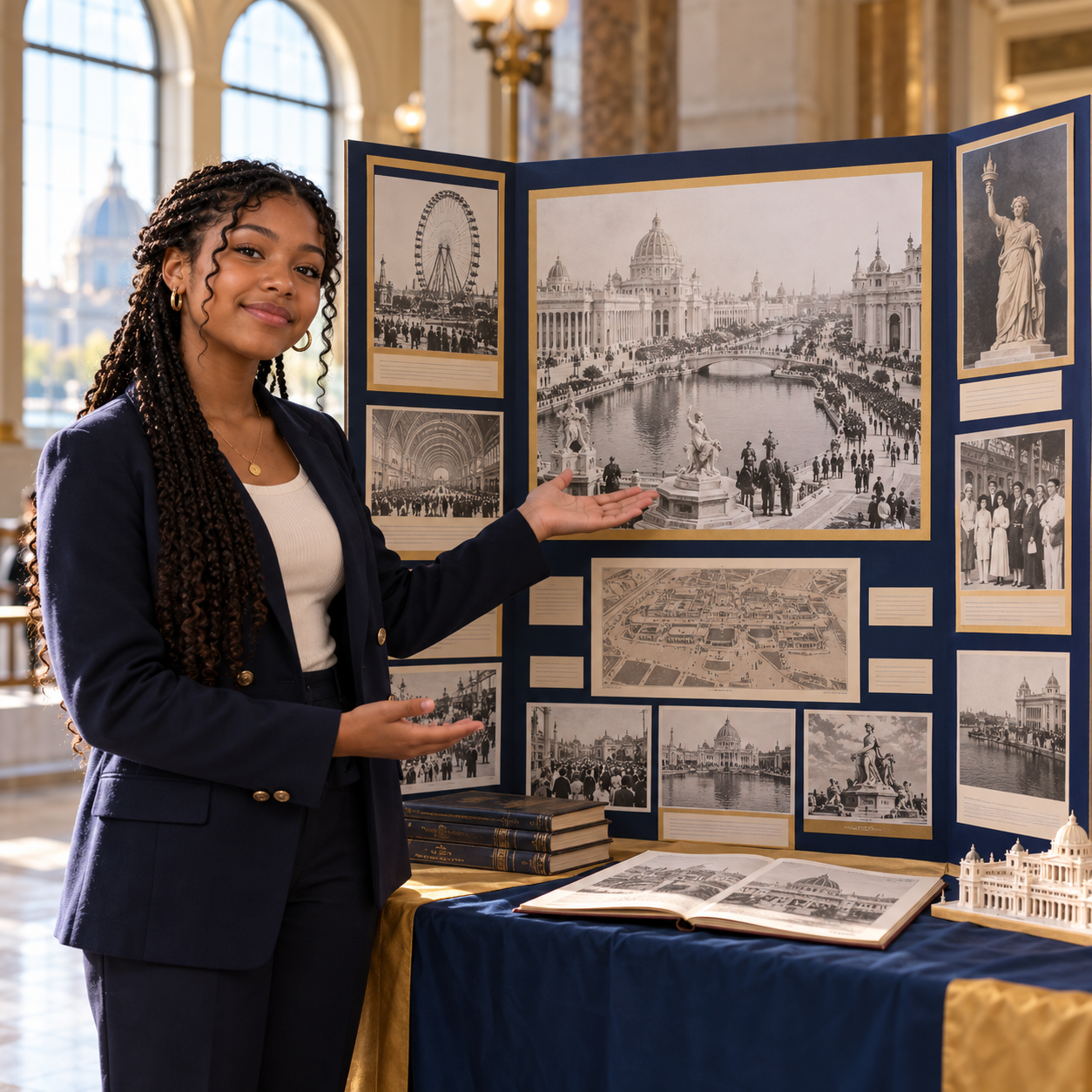
Display evidence visually using a poster or physical display.
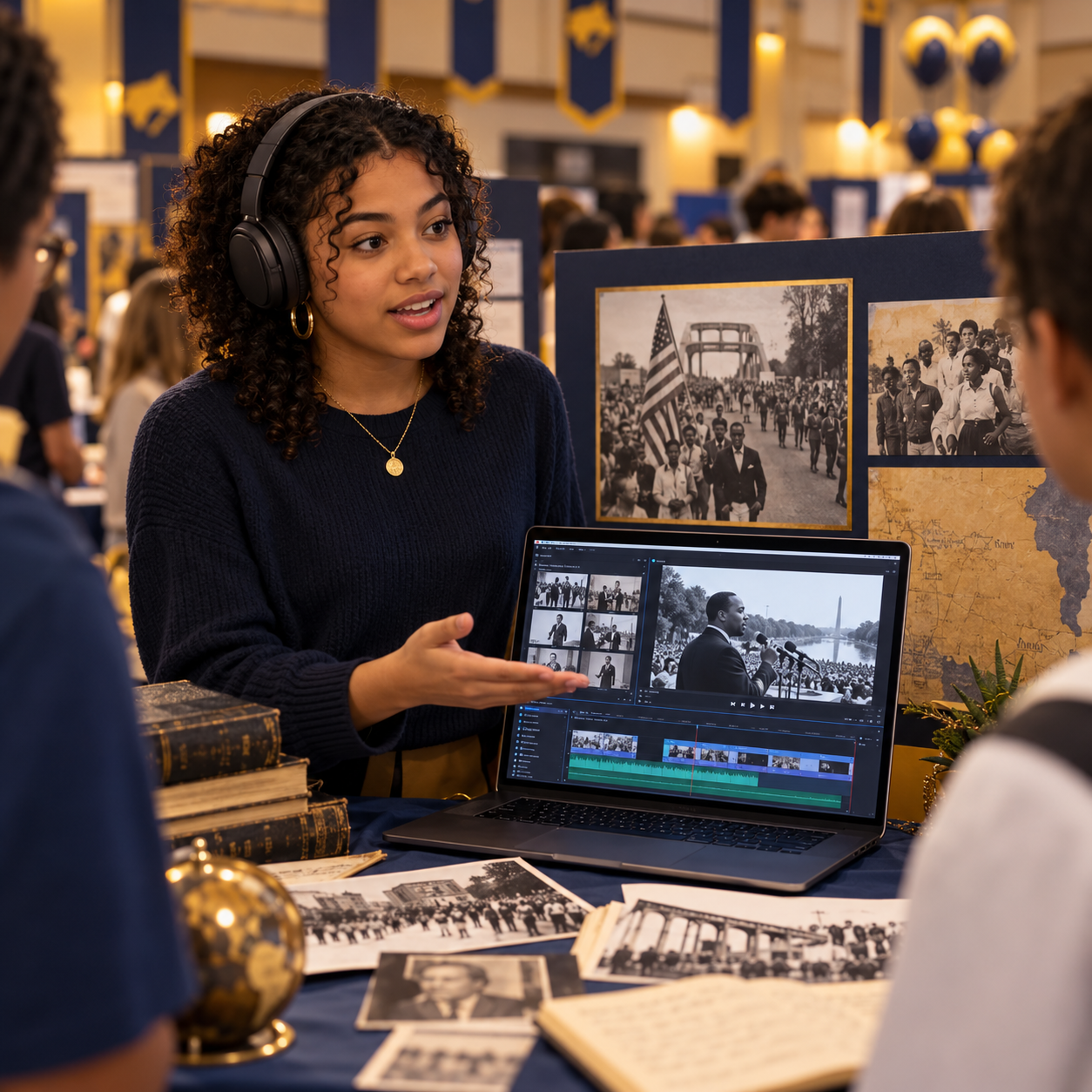
Tell the story through film, narration, archival media, and evidence.
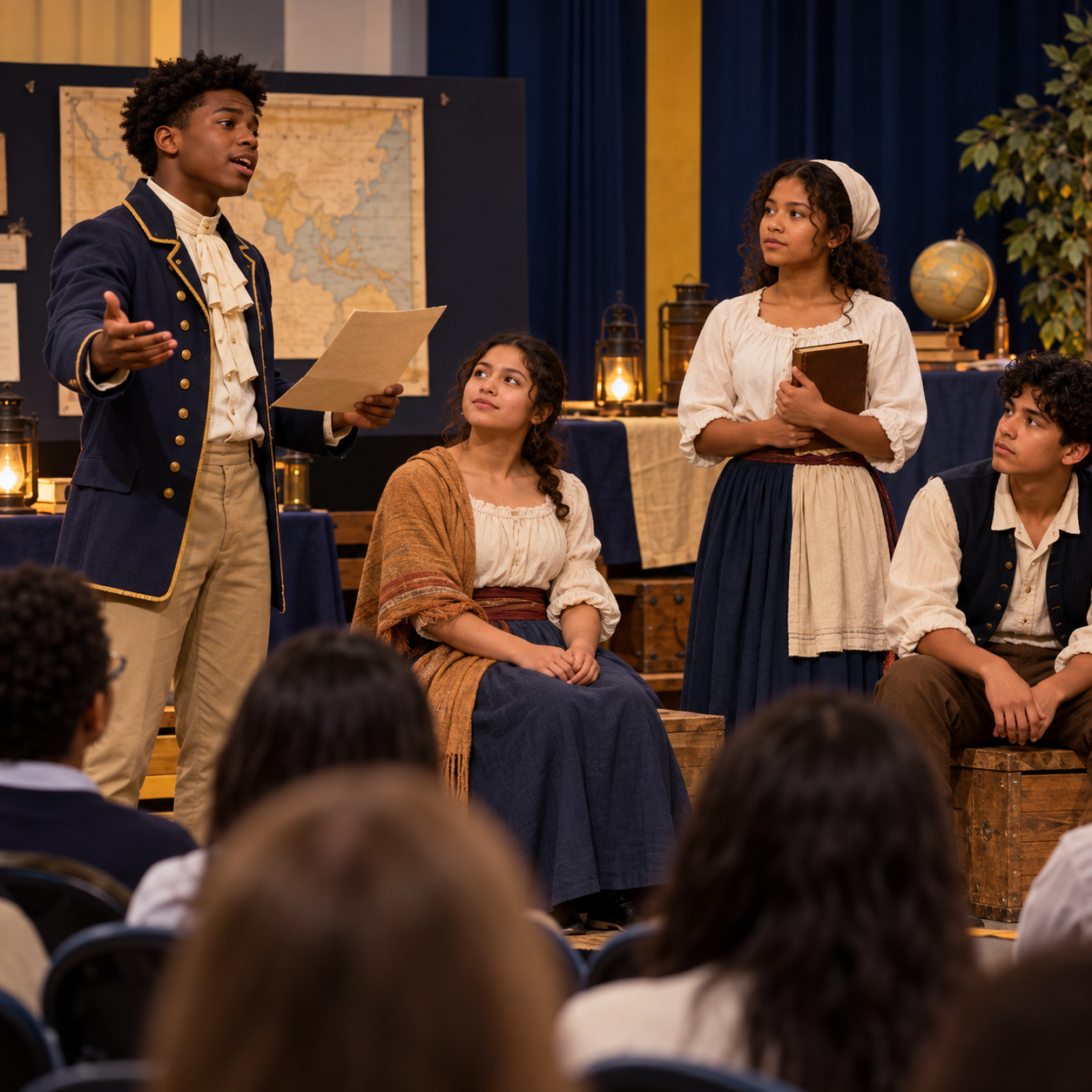
Present history through live interpretation and historically grounded storytelling.
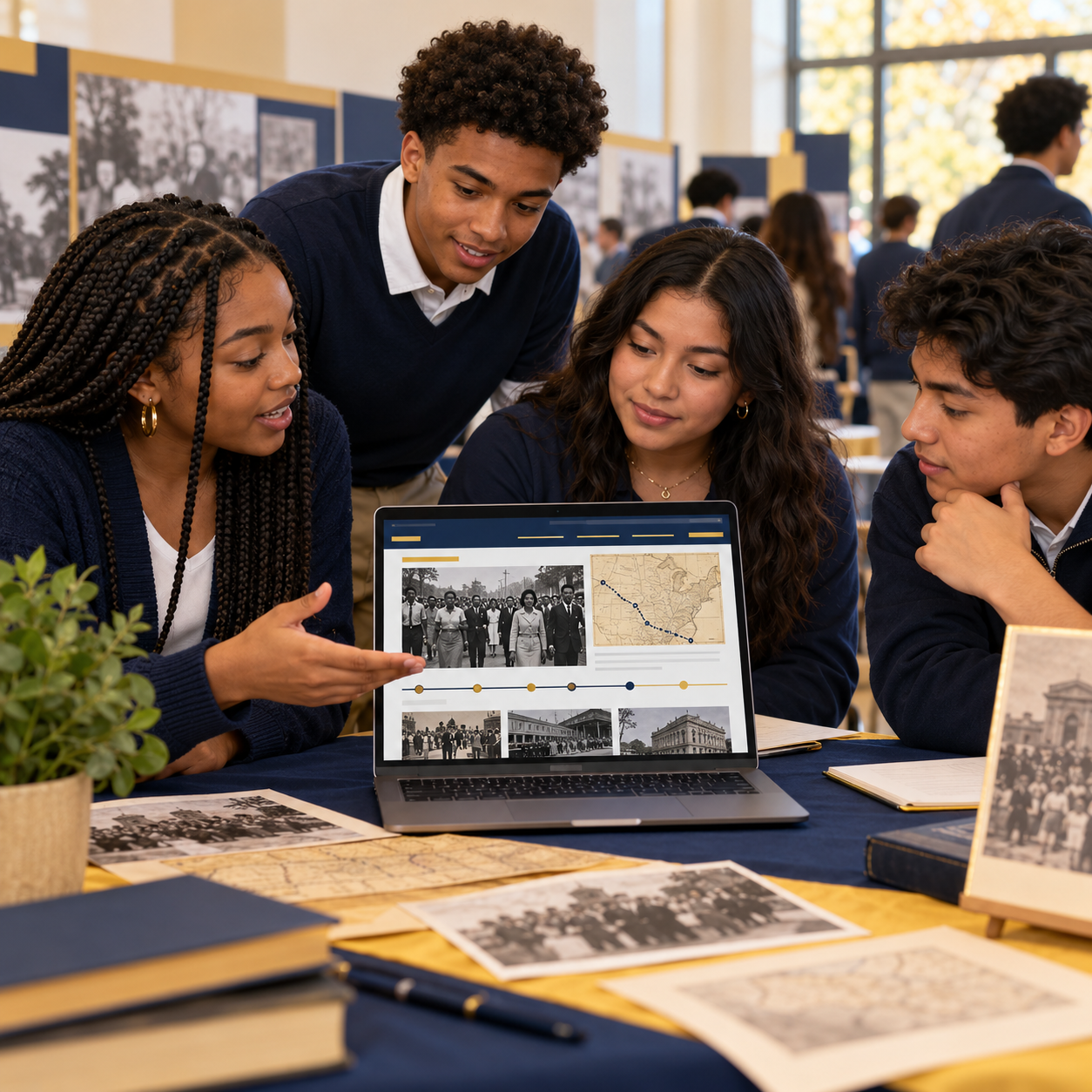
Build an interactive digital project with sources, media, and analysis.
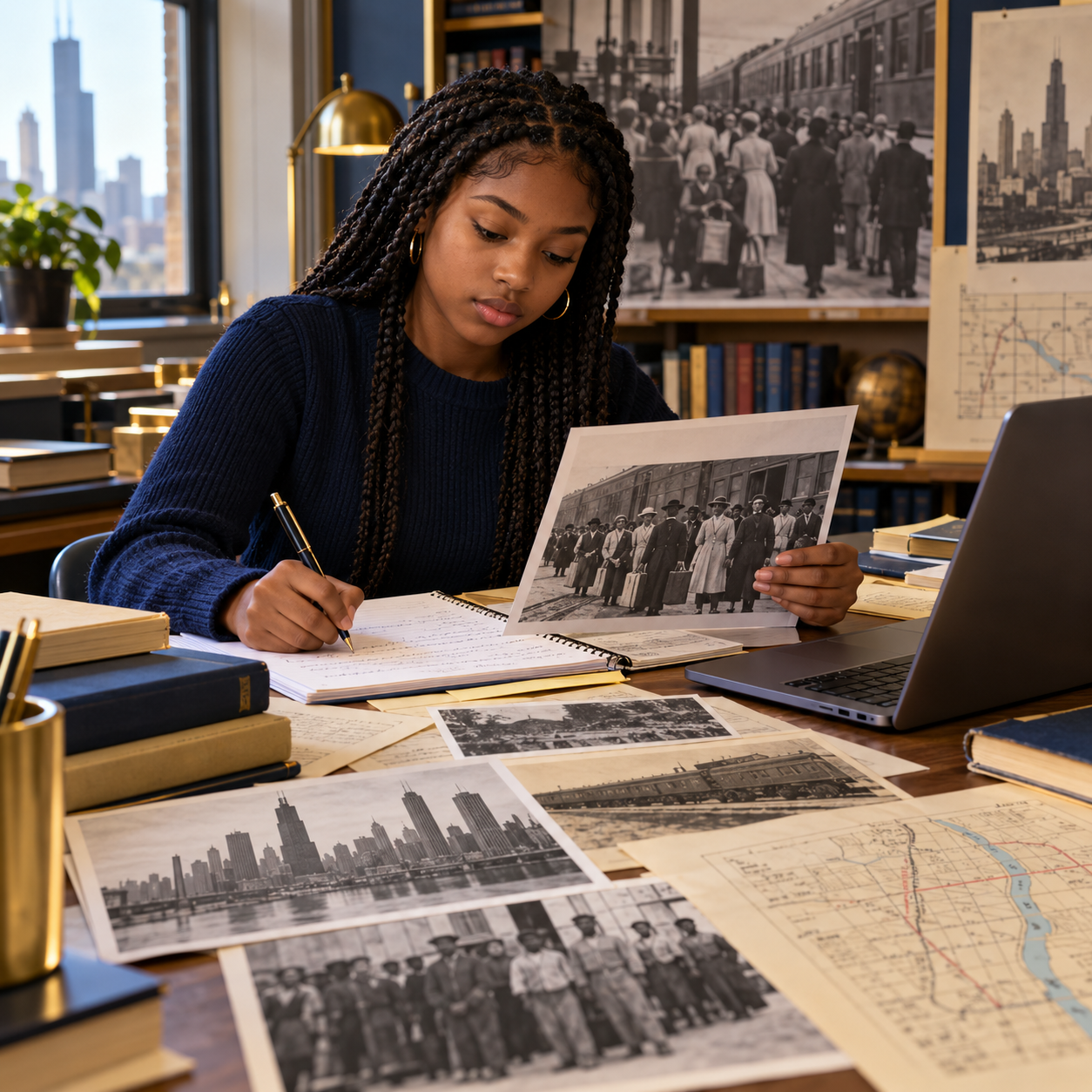
Write a formal research paper with a clear thesis and documented evidence.
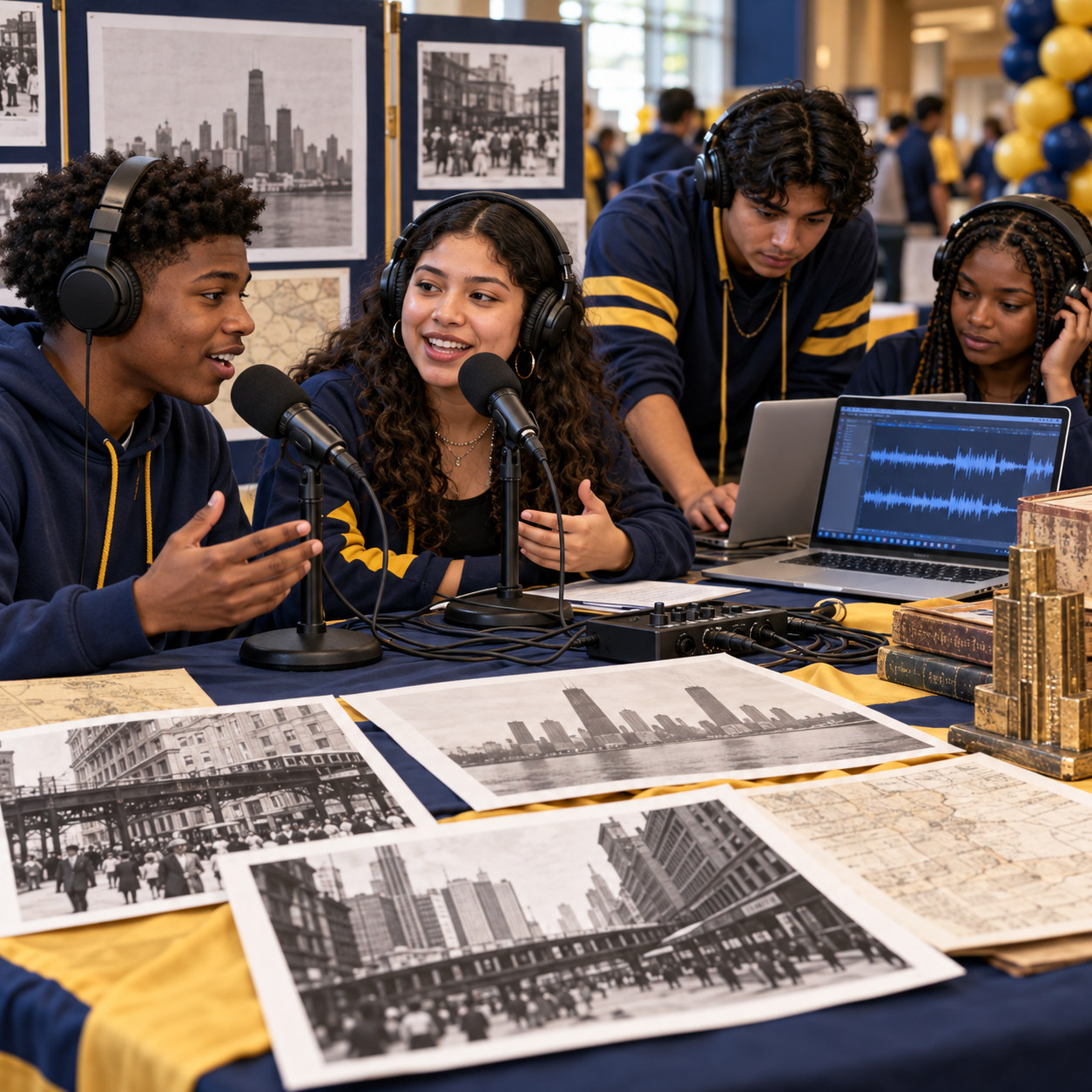
Create an evidence-based audio story using narration, sources, and interviews.
 Project Pathway
Every card links to its own lesson page.

Theme, inquiry cycle, categories, expectations
Current Lesson →
Interest, connection, significance, feasibility
Not Started →
Explore project formats, share self-evaluations, choose a tentative team
Not Started →
Solo/group choice, roles, question types, routines
Not Started →
Topic, team, category, and project registration
Not Started →
Open historical question and supporting questions
Not Started →
Question, perspectives, context, source plan
Not Started →
First evidence set, source gaps, provisional answer
Not Started →
Corroboration, counterevidence, working thesis
Not Started →
Category blueprint, audience, story arc
Not Started →
75–80% build, citations, process-paper draft
Not Started →
Rubric review, peer feedback, final revisions
Not Started →
Final project, written materials, reflection
Not Started → Current Lesson
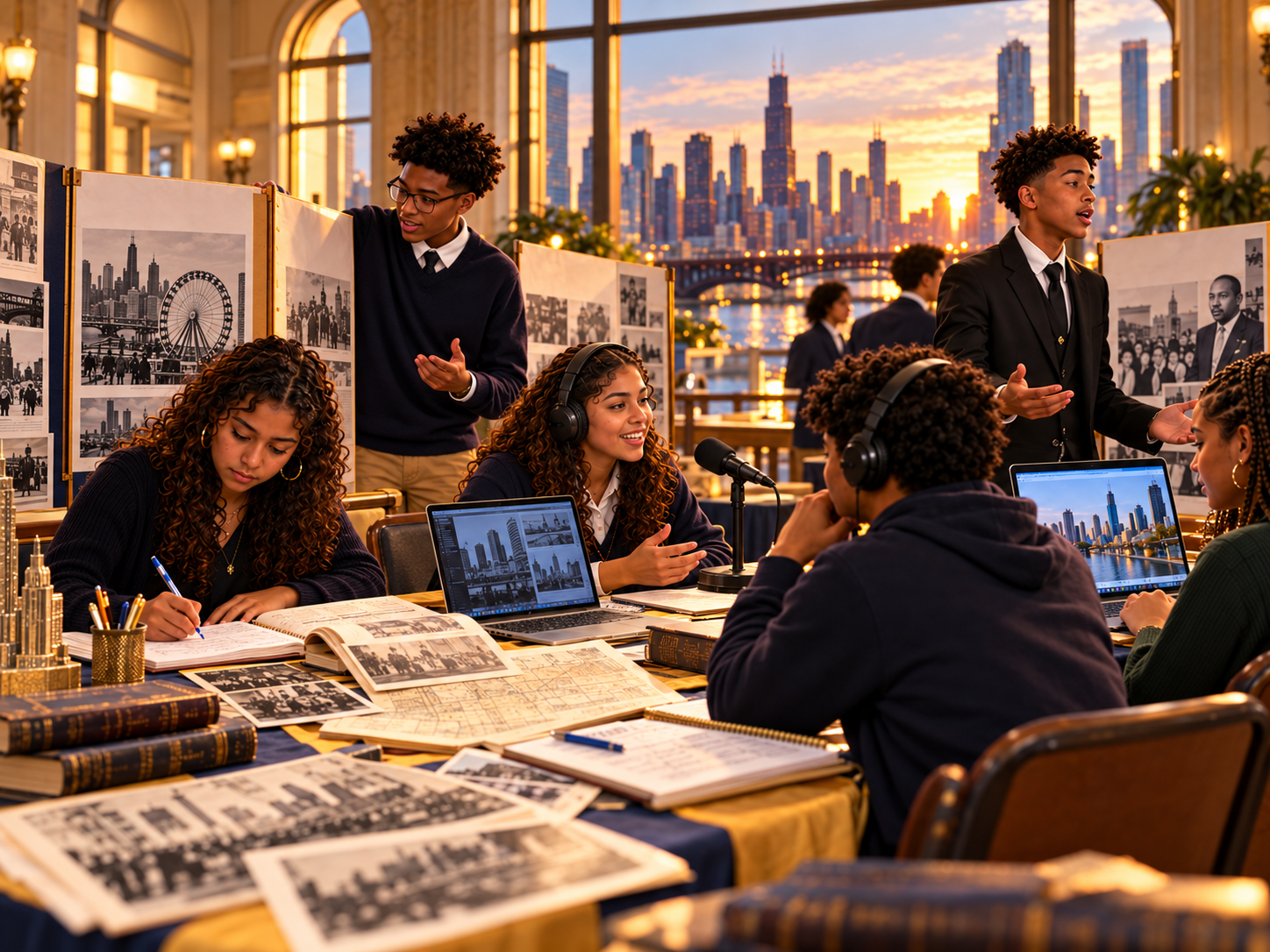
Explore the annual theme, project categories, competition pathway, and the seven-stage WolfOS Inquiry Cycle.
Continue Lesson → Featured Primary Sources
Chicago maps, photographs, newspapers, and neighborhood history
Archival images and documents from Chicago collections
Oral histories, recordings, and documentary evidence
 Upcoming Milestones
Topic, team, category, and registration.
Question, perspectives, context, and source plan.
Corroborated evidence and a defensible interpretation.
Project, written materials, presentation, and reflection.
 Key Vocabulary
 Historical Thinking Tools